UNESCO Sites in Malta — What's Worth Seeing
“Three World Heritage entries on a tiny island — a guide to Malta's UNESCO treasures”
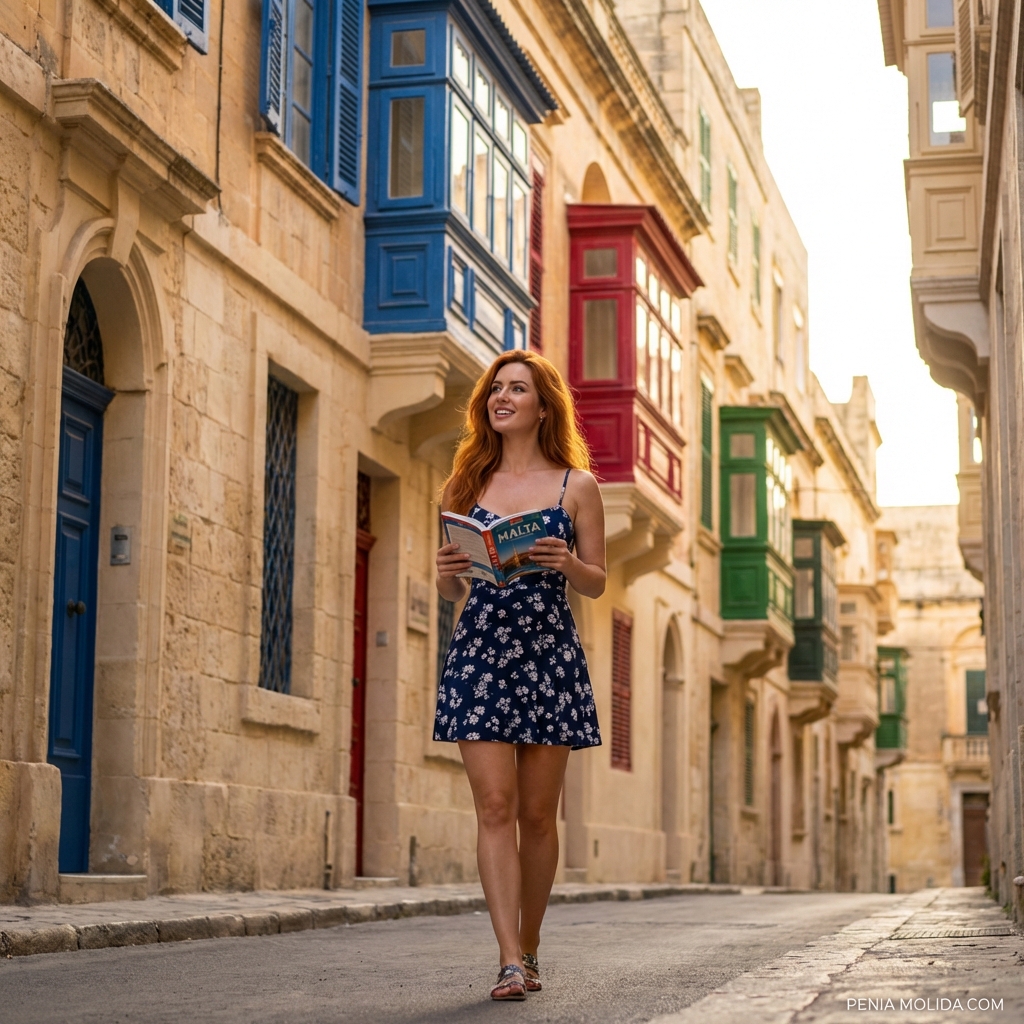
Malta — an island smaller than Warsaw — has 3 UNESCO World Heritage entries. That's more per square kilometre than any other country. Maklowicz visits two of them: Valletta and the megalithic temples.
1. Valletta — An Entire City on the UNESCO List (1980)
Valletta is the only capital city that is entirely UNESCO-listed. Built after the Great Siege of 1565, designed on a grid of straight streets (one of the first planned cities in Europe). Every building has historical value. Maklowicz says: "Malta is a place where history is written in stone."
2. Megalithic Temples (1980, extended 1992)
Seven temples on Malta and Gozo, dating from 3600-2500 BCE — older than Stonehenge and the pyramids. The most important:
- Ggantija (Gozo) — the oldest, with blocks weighing 50 tonnes
- Hagar Qim and Mnajdra — on a cliff above the sea, spectacular location
- Tarxien — the richest sculptures and reliefs
3. Hal Saflieni Hypogeum (1980)
An underground necropolis from around 4000 BCE — the only prehistoric underground temple in the world. Hand-carved from limestone rock on three levels. Entry is strictly limited — 80 people per day, book 2-3 months in advance. Price: €35.
This is the rarest tourist attraction in Malta — and one of the most important archaeological sites in Europe.