Culture
Living in Malta: An Honest Expat Guide to Work, Cost, and Life
Everything about moving to Malta — costs, jobs, bureaucracy, and what nobody tells you
•December 3, 2025
Malta has become one of Europe's most popular expat destinations. It's EU territory, English-speaking, sunny, and has tax advantages that attract everyone from iGaming executives to remote workers. Here's what it's actually like to live there.
Cost of Living in Malta (2026)
Malta is more expensive than Eastern Europe but cheaper than the UK or Scandinavia.
Rent:
- Studio in Sliema/St Julian's: €700–1100/month
- 1-bedroom in Valletta: €800–1200/month
- Cheaper areas (Paola, Żabbar, Qormi): €500–750/month
- Gozo: €400–650/month (quieter, but ferry commute to Malta main island)
- Supermarket shopping (LIDL, PAVI): similar to Western Europe
- Restaurant lunch: €8–14
- Coffee: €2–3
Working in Malta
Malta has very low unemployment (around 3%). Sectors with the most demand for English-speakers:
- iGaming and fintech — Malta is Europe's gaming capital. Bet365, LeoVegas, PokerStars, Betsson and hundreds of smaller firms are based here
- Financial services — holding companies, funds, compliance
- IT and tech — agencies and startups, especially with EU/US clients
- Tourism and hospitality — hotels, restaurants, reception
- Construction — major building boom, skilled tradespeople in demand
Salaries: minimum wage around €950 gross/month. In iGaming, tech and finance: €2500–5000+.
Bureaucracy and Documents
1. e-Residence — required after 3 months. Apply online or at Identity Malta, Blata l-Bajda. 2. ID Card — issued as EU resident 3. Healthcare — EU citizens with EHIC have access to public healthcare. After registering as resident: full access to the Malta public health system (Mater Dei Hospital) 4. Driving licence — EU licence valid. Can exchange for Maltese after one year of residency.
Where Do Expats Live?
Sliema and St Julian's — most popular, expensive, walkable to everything Bugibba and Qawra — cheaper, more tourist-resort feel, large expat community Birkirkara, Balzan, Attard — quieter, suburban, good bus connections Gozo — smaller community, much cheaper, ferry-dependent
Taxes
Malta has a Non-Dom tax status that makes it attractive for some expats — foreign income only taxed if remitted to Malta. The system is complex; consult a Maltese tax adviser before making decisions based on this.
For employees: progressive income tax 0–35%. Effective rate for €40,000–60,000 earners: roughly 25–30%.
The Honest Downsides
- Traffic — horrific. Malta has one of the highest car ownership rates in the EU. Rush hour is brutal.
- Summer heat — July–August regularly hits 35–38°C. Without good AC, it's unliveable.
- Small island — 316 km². After a year, many people feel cabin fever.
- Construction noise — the building boom has been running for a decade. Everywhere is loud.
- Bureaucracy — slow and frustrating. Identity Malta queues are legendary.
Related Videos
More videos →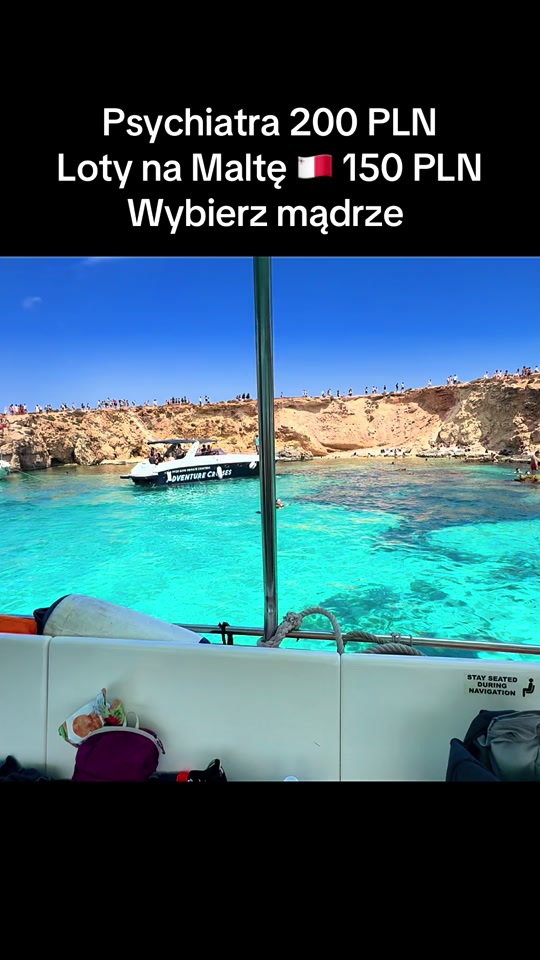
TikTok
PL
0:11
Przyroda
#polkanamalcie #bluelagoon #maltavibe #boatparty #bbq
Polka z Malty3 mies. temu
132K2K🔥
7.6
TikTok
PL
1:03
Podróże
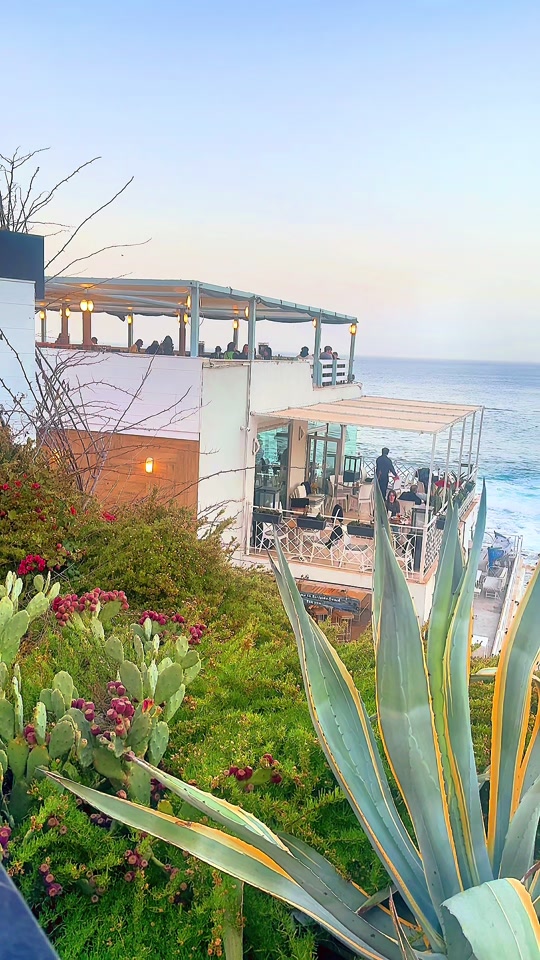
Wystarczy że w mapy wpiszesz Surfside Sliema, żeby odnaleźć to miejsc...
Polka z Malty3 mies. temu
52K2K🔥
7.6

TikTok
PL
1:04
Podróże
Kiedy żeś nie wziął przejściówki do prądu na Maltę ⚡️🔌 #polkanamalcie...
Polka z Malty6 mies. temu
36K629
7.3

TikTok
PL
1:15
Podróże
Co myślę o wyborze Qawra, St. Paul’s Bay i Bugibba na centrum wypadow...
Polka z Malty3 mies. temu
17K238
7.3
Topics
expatmaltaliving in maltaworking maltarelocation
Keep Exploring
More Community-Powered Insights
Every article is built from real tourist discussions and enriched with tips from Monika and the community.