Sightseeing
Ħaġar Qim and Mnajdra: Malta's Megalithic Temples — Older Than Stonehenge
Dating to 3,600 BC and predating the pyramids, these limestone temples on a clifftop are among the most extraordinary prehistoric sites in the world.
•July 29, 2025
Ħaġar Qim (pronounced Hadjar Kim) and Mnajdra (pronounced Imnadra) are two megalithic temple complexes in southern Malta — dated to 3,600–2,500 BC. They pre-date Stonehenge (around 3,000 BC) and the pyramids at Giza (around 2,560 BC). They are among the best-preserved Neolithic structures in the world. UNESCO World Heritage since 1980.
Essential for anyone with an interest in history or architecture. Even if prehistoric sites are not normally your thing — the sight of 5,000-year-old stone walls on a clifftop with the sea behind them is genuinely extraordinary.
Getting There
Ħaġar Qim is around 25 minutes by car from Valletta (southern Malta). Bus from Valletta (around 45 minutes) — stops at the visitor centre entrance. Bolt/eCabs from Valletta: around €18–22. Large paid car park at the entrance.
Combine with: Blue Grotto (5 minutes away), Marsaxlokk (20 minutes), Dingli Cliffs (30 minutes). A logical circuit: Ħaġar Qim in the morning → Blue Grotto → lunch in Marsaxlokk. A full day in southern Malta.
Visitor Centre and Tickets
Hours: 9am–5pm year-round (ticket office to 4:30pm). July–August: 9am–7pm.
Tickets: Adult: €10. Child (6–11): €5. Under-6s: free. One ticket covers both Ħaġar Qim and Mnajdra. Combo ticket including Tarxien Temples + Ggantija (Gozo): around €20 — worth it if you're keen on Malta's prehistoric sites.
Visitor centre: Modern, air-conditioned museum with multimedia exhibitions. 3D film (20 minutes) — great for children. Start with the visitor centre — it provides essential context.
Ħaġar Qim — Temple on the Hilltop
Ħaġar Qim (literally "standing stones") sits on a hill overlooking the sea and the small island of Filfla. A complex of several interconnected apse-chambers — the classic Maltese temple form. The largest single stone in the walls weighs over 20 tonnes.
The temples have been covered by white protective canopies since 2009 — protecting the limestone from rain erosion. They reduce the open-air feel slightly, but the stones are better preserved for it.
Key features: The main altar, niches (probably used for rituals and offerings), megalithic thresholds and "doorways", the "Solar Porthole" — a hole in the wall precisely aligned to the summer solstice sunrise (21 June).
Mnajdra — The Solar Calendar on the Cliff
Mnajdra is around 500m from Ħaġar Qim (a pleasant walk along the clifftop). A complex of three separate temples from different periods. The upper temple (oldest, around 3,600 BC) is exceptionally well preserved.
Remarkable: Mnajdra functions as a "solar calendar" — precisely oriented to the sunrise at the summer and winter solstices and the equinoxes. On 21 March, the first sunbeam enters exactly through the centre of the entrance threshold and illuminates the central altar. The builders, 5,500 years ago, knew exactly what they were doing.
Ggantija on Gozo — Even Older
Ggantija on Gozo (pronounced Janjantiya) is even older — dated to around 3,600–3,200 BC. Among the oldest freestanding stone structures in the world. Fewer tourists than Ħaġar Qim, a more rugged atmosphere. The combo ticket is recommended.
Practical Information
- Go early (9–10am) — fewer crowds, better light for photos
- Comfortable shoes — 500m of uneven terrain between temples
- Water and hat — no shade outside the temples
- Allow 2–2.5 hours for both complexes plus visitor centre
- Audio guide: €3 — recommended for full context
- For children under 8: the 3D film and interactive exhibitions in the visitor centre
Go in the morning — at 9am it's nearly empty and the stones look fantastic in early light. Start with the visitor centre and watch the 3D film (it genuinely impresses both children and adults). Then Mnajdra — quieter, with beautiful sea views. Then Ħaġar Qim — larger and more complex. Aim to leave before 11am when the coach tours start arriving.
RM
Travel Clips & Stories
Highlights from Robert Maklowicz's travels
Maklowicz discovers Valletta's history
“Malta to miejsce, gdzie historia napisana jest w kamieniu.”
Inside St John's Co-Cathedral with Caravaggio
“Caravaggio uciekał przed wyrokiem śmierci, a na Malcie stworzył dzieło, które przetrwało wieki.”
Maklowicz enters Mdina — The Silent City
“Mdina to miasto, które odmawia bycia głośnym — i właśnie dlatego mówi tak wiele.”
Related Videos
More videos →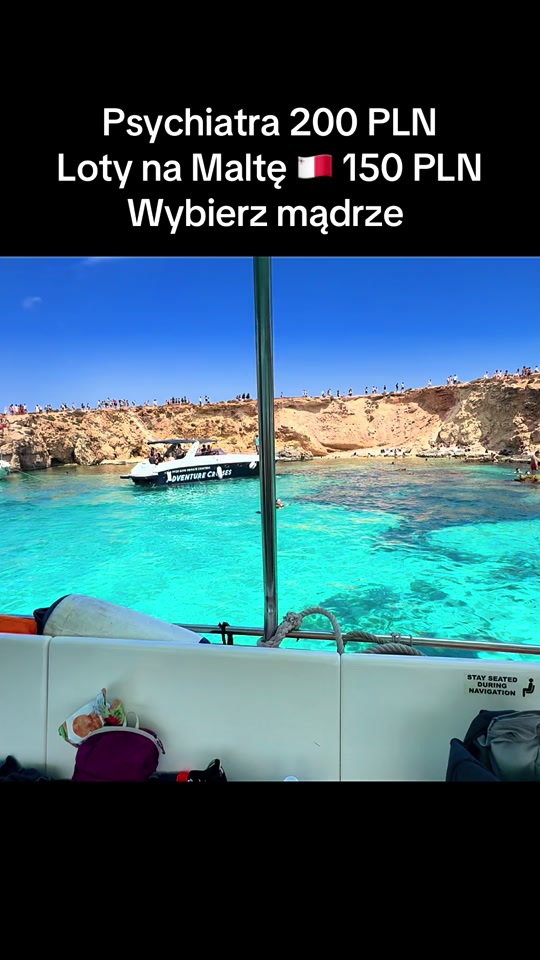
TikTok
PL
0:11
Przyroda
#polkanamalcie #bluelagoon #maltavibe #boatparty #bbq
Polka z Malty3 mies. temu
132K2K🔥
7.6
TikTok
PL
1:03
Podróże
Wystarczy że w mapy wpiszesz Surfside Sliema, żeby odnaleźć to miejsc...
Polka z Malty3 mies. temu
52K2K🔥
7.6

TikTok
PL
1:04
Podróże
Kiedy żeś nie wziął przejściówki do prądu na Maltę ⚡️🔌 #polkanamalcie...
Polka z Malty6 mies. temu
36K629
7.3

TikTok
PL
1:15
Podróże
Co myślę o wyborze Qawra, St. Paul’s Bay i Bugibba na centrum wypadow...
Polka z Malty3 mies. temu
17K238
7.3
Topics
hagar qimmnajdraprehistoricUNESCOsouth maltatemplesneolithic
Keep Exploring
More Community-Powered Insights
Every article is built from real tourist discussions and enriched with tips from Monika and the community.