Forts
The Great Siege of 1565 — When Malta Saved Europe
40,000 Janissaries against 700 Knights and a handful of Maltese. Four months of hell. A result that changed the history of a continent.
•March 14, 2025
History books talk about Vienna 1683. In Malta, 1565 matters more. This is when the fate of all of Europe hung in the balance — and the side with fewer soldiers but greater will to fight prevailed.
Context: Suleiman Wants Malta
Sultan Suleiman the Magnificent — the most formidable ruler of his age, who had conquered the East, the Balkans and was hammering at Vienna — wanted the Knights of Malta eliminated. From behind Malta's walls they blockaded Ottoman supply lines and raided Muslim merchant ships. For Suleiman: a problem to solve. For Europe: the last bastion.
Forces
- Ottomans: 30,000–40,000 soldiers including Janissaries — the contemporary elite infantry. A powerful fleet and artillery capable of crushing any wall.
- Defenders: Approx. 500–700 Knights of Malta, 5,000 Maltese and mercenaries. Under the command of 70-year-old Jean de Valette — who fought on the front line himself.
The Course — 4 Months of Hell (18 May – 8 September 1565)
The Ottomans took Fort St. Elmo after a month of bitter fighting — losing 8,000 soldiers to take a small fort defended by 1,500. After capturing it they spiked the Knights' heads on poles and sent drifting crosses with bodies through the harbour to break morale. De Valette responded immediately: he executed Ottoman prisoners and fired their heads from the cannons.
Birgu and Senglea held out for weeks more in savage heat. Defenders drowned Ottoman swimmer-sappers, night charges repelled wave after wave of attackers. In mid-August, reinforcements arrived from Sicily. The Turks raised the siege on 8 September.
Significance
The Christian European victory halted Ottoman westward expansion. The Pope called it a miracle. Valletta — built after the victory — is a monument-city to those who died there. De Valette's name it still carries.
💡 WHERE TO FEEL THE HISTORY: Birgu (Vittoriosa) — this is where the defenders held to the last. Walk to Fort St. Angelo and stand in that place. From the walls you see exactly what de Valette and his soldiers saw. This is not a museum — it is living history.
RM
Travel Clips & Stories
Highlights from Robert Maklowicz's travels
Valletta's fortifications
“Te mury pamiętają Wielkie Oblężenie — i do dziś stoją niewzruszenie.”
Related Videos
More videos →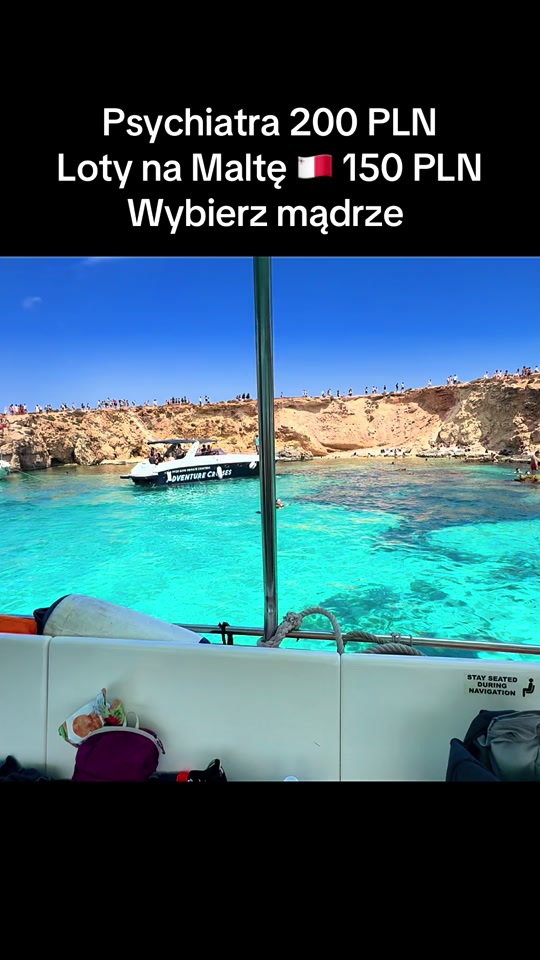
TikTok
PL
0:11
Przyroda
#polkanamalcie #bluelagoon #maltavibe #boatparty #bbq
Polka z Malty3 mies. temu
132K2K🔥
7.6
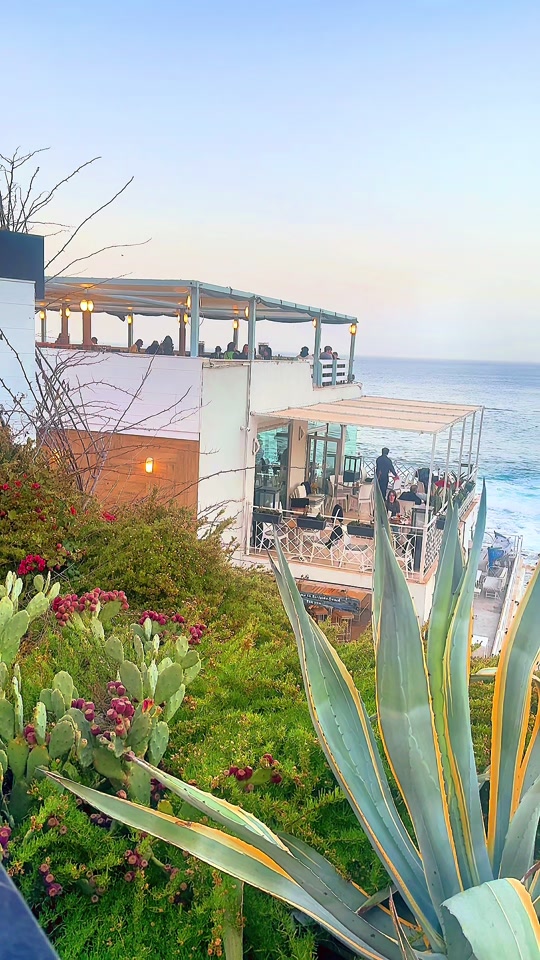
TikTok
PL
1:03
Podróże
Wystarczy że w mapy wpiszesz Surfside Sliema, żeby odnaleźć to miejsc...
Polka z Malty3 mies. temu
52K2K🔥
7.6

TikTok
PL
1:04
Podróże
Kiedy żeś nie wziął przejściówki do prądu na Maltę ⚡️🔌 #polkanamalcie...
Polka z Malty6 mies. temu
36K629
7.3

TikTok
PL
1:15
Podróże
Co myślę o wyborze Qawra, St. Paul’s Bay i Bugibba na centrum wypadow...
Polka z Malty3 mies. temu
17K238
7.3
Topics
great siegehistoryknights1565ottomansbirgude valettevalletta
Keep Exploring
More Community-Powered Insights
Every article is built from real tourist discussions and enriched with tips from Monika and the community.